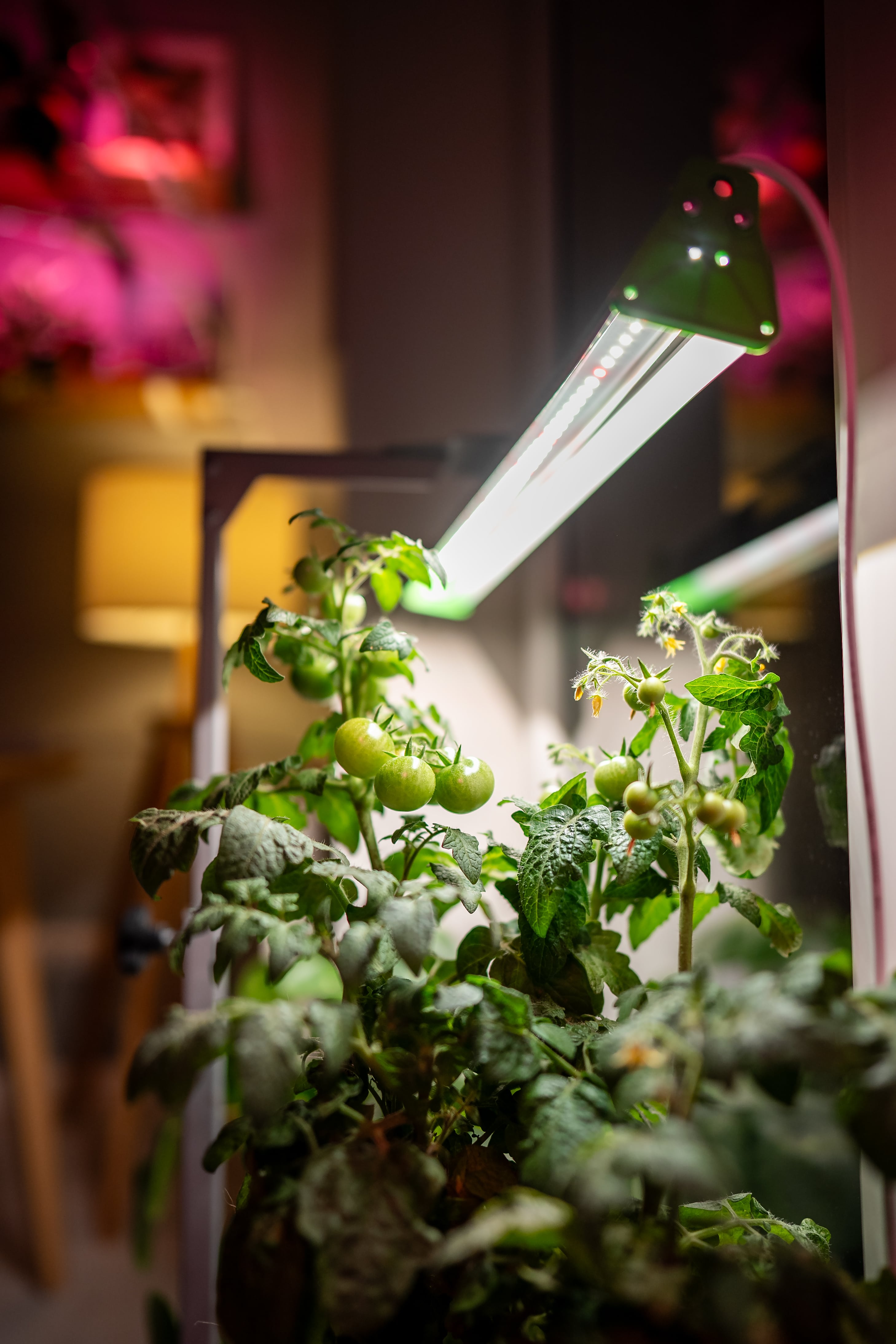
Which Method Fits Your Home Best?
When you're thinking about growing veggies at home, many people wonder: “Should we use soil-based gardening, or is a modern hydroponic system a better option?” In this post, we’ll compare both traditional soil gardening and soilless gardening methods (hydroponics, aquaponics) so that you can choose the option that suits your space, lifestyle, and preferences.
Soil-Based Gardening: A Natural and Familiar Start
One of the most intuitive ways to begin is soil-based gardening. Just a pot, some potting soil, seeds, and water—and you’re on your way!
Benefits to Expect:
-Planting organic seeds in rich soil makes organic vegetable gardening straightforward.
-Lower upfront cost: pots, soil, seeds, and water suffice.
-Touching the soil, mixing compost, transplanting plants—these are sensory and grounding experiences.
-Ideal for beginners who want a hands-on, therapeutic process.
Possible Challenges:
-Higher risk of pests, fungal issues, or root rot in poorly draining soil.
-Water usage tends to be higher, and no drainage can lead to soggy roots.
-Maintaining soil fertility long-term may require frequent replenishment and monitoring.
If you’re cultivating lettuce, basil, arugula, parsley, or green onion in pots or containers, this method often offers the most direct and reliable path.
Soilless Gardening: Efficient, Clean & Water-Saving
Alternatively, soilless gardening—especially hydroponic systems—is gaining popularity for small-space growers. With aquaponics, you combine fish and plants in a symbiotic, closed-loop system.
Why it shines:
-Up to 90% water-efficient compared to soil setups, ideal for sustainable indoor gardening.
-Speeds up growth and increases yield—particularly for leafy greens.
-Slim design allows dense planting in compact kitchens or balconies.
-Offers precise control over nutrient solution, pH levels, and environmental variables.
Potential Drawbacks:
-Higher initial investment: reservoirs, pumps, lights, and nutrient mixes.
-Requires technical knowledge or a willingness to learn system management.
-Regular upkeep and monitoring—such as cleaning tanks and balancing nutrients—is essential.
Great for fast-growing herbs and microgreens, this system is perfect if you're curious about technology, efficiency, or want year-round production.
Soil vs Soilless: How to Decide?
Let’s break it down clearly with key evaluation criteria:
| Factor | Soil-Based System | Soilless System (Hydroponic/Aquaponic) |
|---|---|---|
| Ease of setup | ✅ Simple & intuitive | ⚠ Requires learning & technical setup |
| Water usage | ❌ Relatively high | ✅ Highly efficient (up to 90% water savings) |
| Yield & growth speed | Moderate | ✅ Fast results, high productivity |
| Space requirements | Moderate | ✅ Compact, ideal for small spaces |
So if you're starting out and want something familiar and forgiving, soil gardening is ideal. If you prefer efficiency, cleaner output, and controlled growth, a hydroponic or aquaponic system delivers long-term advantages.
Starter Requirements: What You’ll Need
Soil-Based System Essentials:
-Organic seeds or seedlings
-Drainage-friendly potting mix (look for blends with compost or coco coir)
-Fertilizer or compost tea for nutrient boosts
-Good light source (sunny windowsill or grow light)
-Basic tools like watering can, plant labels, gloves
Soilless System Basics:
-Reservoir/container for nutrient solution
-Balanced nutrient mix (NPK + microelements)
-Substrate such as perlite, clay pebbles, or rockwool
-Water or air pump
-pH tester and indicator strips
-Grow light or LED lighting (if indoor)
-Starter kit (NFT, DWC, or drip) is highly recommended if you’re new
Many kits available now bundle the essential components—making set-up straightforward even for beginners.
Why One vs. The Other?
Here’s how to align your needs and environment with a system choice:
1.Limited space? A hydroponic system allows growing several plants in foot-wide setups.
2.Prefer low-tech gardening? Traditional soil-based planting requires minimal equipment and learning.
3.Maximize yield quickly? Soilless systems produce faster results and often healthier roots.
4.Value ease of maintenance? Soil systems are naturally forgiving and simpler to maintain.
5.Concerned about water usage? Hydroponics conserves a tremendous amount of water.
Practical Setup Tips
-For soil-based growing: start with seedlings, monitor moisture levels closely, and fertilize gently once a month.
-For hydroponic setups: monitor pH daily, check nutrient levels weekly, and flush the system every 2–3 weeks to prevent buildup.
-Keep a growth log for both systems—note planting dates, growth observations, and any leaf discoloration or pests.
Small-scale experiments help: begin with 2–3 pots or one hydroponic setup. Adjust your choice based on comfort, results, and enjoyment.
Final Thoughts: Choosing the Right Path
No matter your method, what matters most is beginning—with curiosity and care. Whether soil-based or soilless, homegrown produce offers freshness, flavor, and a connection to food you grow yourself.
You don’t need a large yard—a few containers or a small indoor system is enough to start. With time and intention, your garden can flourish and expand.