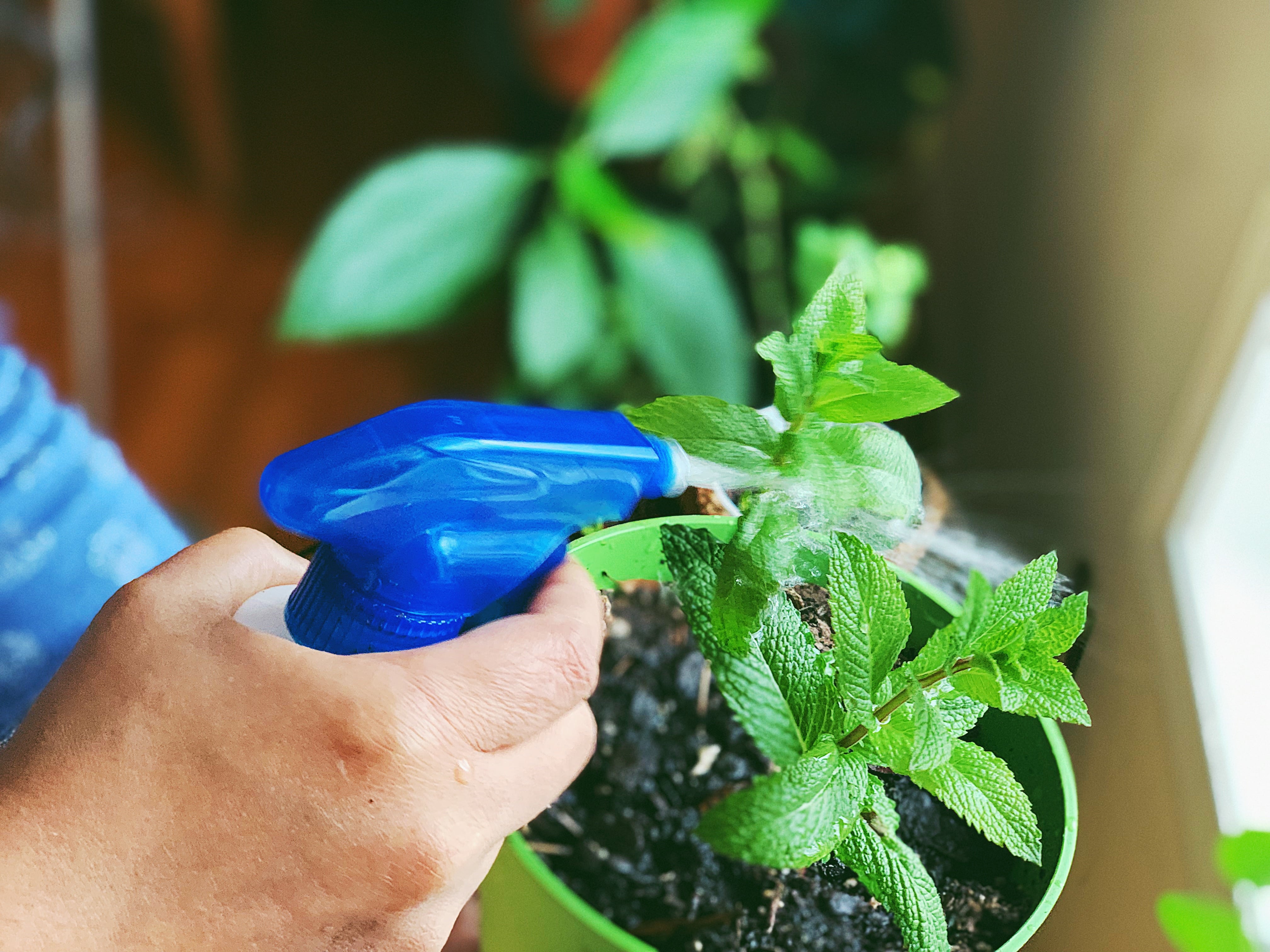
If you’re growing vegetables at home and want to keep them truly pesticide-free, it can sometimes feel overwhelming when you spot a problem on your plant’s leaves. Imagine: what was a thriving green leaf yesterday is today showing yellow spots, dark fungal patches, or even tiny insects crawling underneath. Don’t worry! This comprehensive guide is here to help. We’ll cover the most common plant diseases, natural pest control methods, and the importance of regular maintenance—all using safe, organic approaches.
1. Most Common Issues in Home Vegetable Gardening
Leaf Spots & Fungal Issues
When you spot brown, black, or discolored spots on leaves, it’s often a sign of fungal disease. This usually occurs in environments with high humidity, poor air circulation, or overwatering. Powdery mildew, downy mildew, and various leaf spot diseases (often caused by fungal spores) are common culprits. The key to managing fungal infections is early detection and prevention before they spread.
--
Insect Pests: Aphids, Whiteflies & Spider Mites
In many indoor vegetable gardens or balcony setups, pests like aphids, whiteflies, and spider mites are top offenders. They often congregate on the undersides of leaves, appearing as tiny specks or faint film. If you don’t catch them early, these pests can multiply rapidly, sucking sap from the plant and weakening its health.
--
Yellowing Leaves & Leaf Drop
When leaves turn yellow and fall off, it may indicate improper watering, nutrient imbalance, or inadequate light. While not always disease-related, these symptoms signal stress and possibly an underlying issue—like nutrient deficiency, poor light conditions, or environmental imbalance.
2. Natural, Chemical-Free Solutions
You don’t need harsh chemicals to defend your garden. Here are highly effective organic pest control and natural disease management methods you can apply at home.
Herbal Infusions & Homemade Sprays
Certain herbal teas and botanical extracts are surprisingly effective at deterring pests. For example:
-Brew tea with sage, thyme, peppermint, or rosemary.
-Add a few drops of liquid soap to create a gentle spray.
-After steeping for a few days, spray the solution on both sides of the leaf surfaces.
This method is low-cost, child-safe, and effective against leaf aphids, whiteflies, and soft-bodied insects.
--
Neem Oil & Organic Sprays
Neem oil is a powerful botanical pest control option. It disrupts insect life cycles and helps reduce fungal spores. Dilute neem oil in warm water (typically 1 teaspoon per liter), shake well, and spray the plants. This strategy works particularly well against sap-sucking pests and powdery mildew.
--
Soap Washes & Alcohol Cleaning
A mild homemade soap solution (like pure castile soap in warm water) can physically remove pests and their eggs. Gently wipe leaf surfaces with a soft cloth soaked in the mixture. Alternatively, use a cotton swab dipped in diluted rubbing alcohol to clean leaves and stalks—especially helpful for removing eggs or newly hatched insects.
3. Preventive Measures for a Healthy Garden
The best weapon against pests and diseases is prevention. Adopting a holistic approach can keep problems at bay before they even start.
Ensure Good Air Circulation
Avoid planting seedlings too close together. Maintain airflow around plants to reduce humidity and slow down fungal growth. This is especially important in indoor or sheltered setups.
--
Balanced Watering and Moisture Control
Don’t let your soil stay soggy. Avoid watering leaves directly—always aim for the soil surface. Wait until the top inch or two of soil is dry before watering again. Also ensure containers have good drainage to prevent water buildup.
--
Adjust Care According to Growth Stage
Bit your attention to the plant’s development stage:
-Seedling phase: Less intense light, delicate moisture control, minimal feeding.
-Growth stage: Increase watering slightly and add organic supplements weekly.
-Flowering/fruiting stage: Reduce moisture slightly and maintain strong airflow.
Excess fertilizer or water during sensitive phases can stress plants and increase susceptibility to pests.
4. The Power of Regular Maintenance
Consistent observation and record-keeping make a huge difference. We recommend doing a weekly plant check-up:
-Inspect leaves (top and bottom) for discoloration, spots, insects, or mold.
-Check soil moisture level.
-Separate any plants showing disease or infestation.
-Provide a small top-up of soft organic feeding if needed.
This routine prevents major issues before they take hold and fosters strong, resilient growth over time.
Frequently Asked Questions (FAQ)
🪴 Q: How can I keep pests away without using chemicals?
A: Use gentle home remedies like kompost tea, neem oil spray, garlic-infused water, or diluted natural soaps. These are safe, effective, and environmentally friendly.
🪴 Q: What should I do if leaves show white powdery spots?
A: These often indicate powdery mildew or whitefly damage. First, wipe the leaves gently with soap spray. Then, treat with neem oil or herbal spray every few days.
🪴 Q: Which vegetables are least likely to be infested by pests?
A: Fast-growing, compact plants like arugula, basil, lettuce, green onions, and mint tend to be less pest-prone and easier for beginners to manage.
5. Conclusion: Natural Harmony Leads to Healthy Plants
Successfully growing pesticide-free vegetables indoors or on balconies is fully possible with the right knowledge and habits. By practicing organic pest control, using natural fertilizers, and fostering a healthy microclimate, you can encourage plants that thrive and produce bountiful harvests.
Remember: prevention saves time and effort. Early detection, clean planting spaces, and regular maintenance all contribute to your garden’s long-term success.
👉 Up Next in the Series: Harvest Timing & Best Ways to Enjoy Your Vegetables
In our next article—“Harvest Time and Smart Consumption Tips”—we’ll dive into how to pick vegetables at peak freshness, methods for storing and enjoying them, and preparing for the next planting cycle.
Stay tuned, and keep growing strong and healthy! 🌱