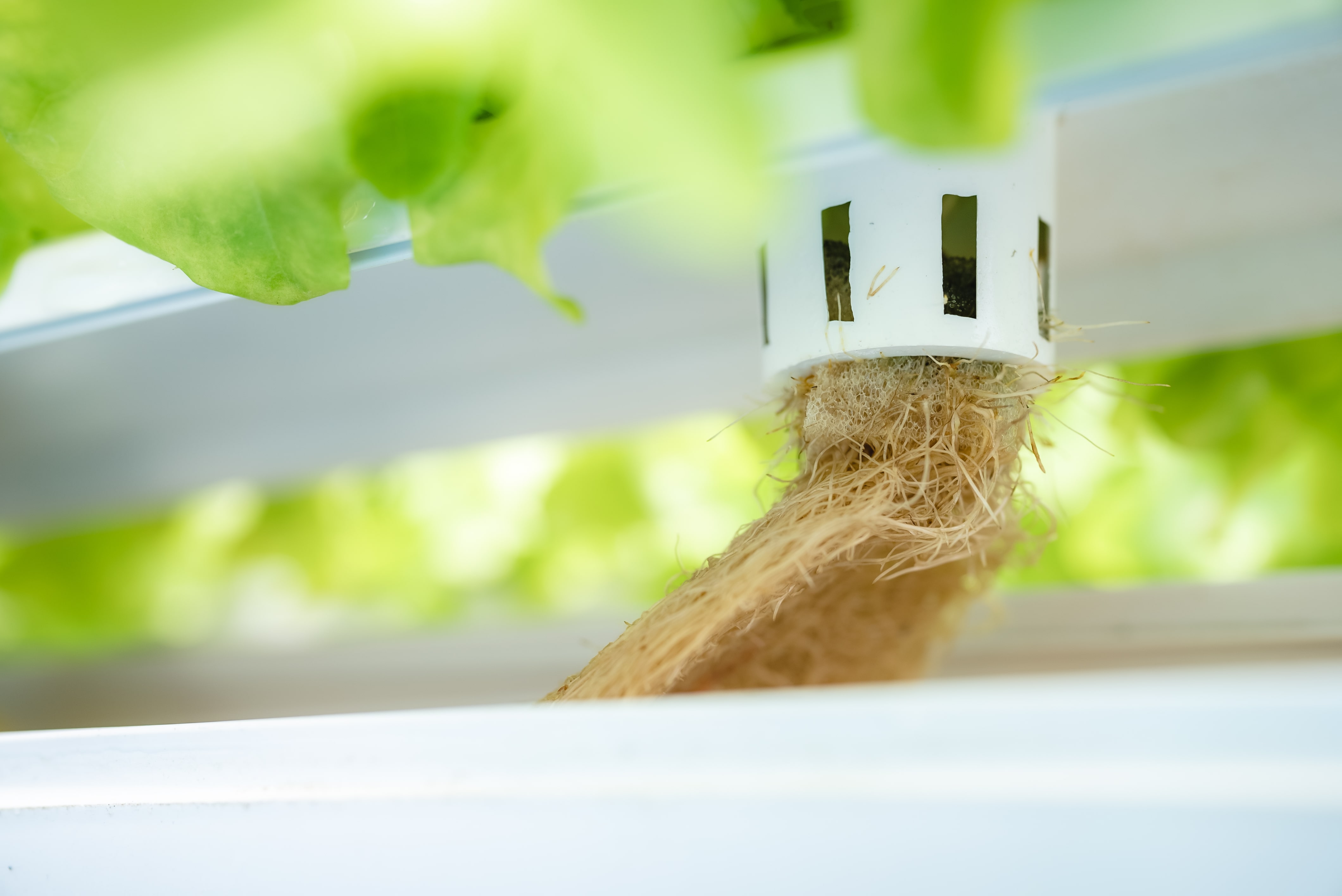
Hydroponic systems are a modern and efficient way to grow plants without the need for soil. However, rising temperatures, especially during the summer months, are a significant factor affecting the proper operation of hydroponic systems. In this article, we will thoroughly examine the impact of summer heat on hydroponic systems, why keeping the system cool is critical, and practical methods for temperature control.
1. The Impact of Summer Heat on Hydroponic Systems
As temperatures rise during the summer months, the temperature of the water and nutrient solution in your hydroponic system also increases. This can cause a range of issues, most notably oxygen deficiency in the root zone and plant stress. For optimal plant growth, the nutrient solution temperature should ideally remain between 18°C and 22°C (64°F to 72°F). When the temperature exceeds this range, plants may slow down their growth, become more vulnerable to disease, and even suffer from root damage or rot.
In hydroponics, roots are submerged directly in water. Warmer water holds less dissolved oxygen, which is vital for healthy root respiration. As oxygen levels drop, roots can suffocate, and harmful bacteria or fungi may proliferate. Understanding this sensitivity is the first step toward maintaining a stable and productive hydroponic garden during the hottest months of the year.
2. Why Keeping Your Hydroponic System Cool Matters
Keeping your hydroponic system cool in the summer is essential—not just for comfort, but for maintaining a thriving and efficient growing environment. Without proper temperature control, several issues can arise:
-Root rot and fungal infections: Warm water promotes the growth of harmful pathogens such as Pythium, leading to root diseases.
-Slowed plant development: Excess heat can stress plants, slowing down photosynthesis and reducing nutrient uptake.
-Reduced nutrient absorption: High temperatures can disrupt the balance of nutrients, making it harder for plants to absorb what they need.
-Lower oxygen levels in the water: Warm water carries less oxygen, which can lead to suffocation at the root level.
This makes it crucial to implement proactive strategies that keep both the air and nutrient solution within optimal temperature ranges during hot weather.
3. How to Control Hydroponic System Temperature During Summer
There are several practical methods you can use to manage and lower the temperature of your hydroponic system in summer. These range from where and how you position your setup to the tools you use to monitor and regulate the environment.
a) System Placement
-Choose a shaded or cool area: If possible, set up your hydroponic system in a place that does not receive direct sunlight throughout the day. Partial shade or covered patios are ideal.
-Ensure good ventilation: Place the system in an area with good air circulation. Open windows, exhaust fans, or oscillating fans can help prevent hot air from building up around the plants and nutrient reservoir.
b) Monitoring Water Temperature
-Use a thermometer: Check the temperature of your nutrient solution regularly using a reliable digital or analog thermometer.
-Add cold water when necessary: Carefully introduce cooler water to your reservoir when you notice temperatures rising. This should be done gradually to avoid shocking the plants.
c) Cooling Techniques
-Use fans: Place electric fans near your hydroponic tanks to encourage airflow and prevent heat from accumulating.
-Ice packs or frozen water bottles: Float sealed ice packs or frozen water bottles in the reservoir to reduce temperature quickly. Be cautious not to over-chill the solution.
-Install water chillers: For larger or professional systems, a dedicated water chiller can maintain consistent temperatures automatically.
-Insulate tanks and pipes: Use foam, reflective covers, or insulation materials to shield your system from external heat, especially if it is outdoors or near sunlit windows.
4. Plant Care and Additional Precautions
In addition to managing temperature, taking extra care of your plants during hot periods will help them stay resilient and healthy.
-Ensure proper oxygenation: Make sure your air pump and air stones are functioning properly. Increasing oxygen levels in the nutrient solution becomes even more important during warm weather.
-Adjust nutrient concentration: Higher temperatures can affect how plants take up nutrients. Monitor electrical conductivity (EC) and adjust nutrient strength if necessary.
-Look out for early signs of disease: Be vigilant about symptoms like root discoloration, a foul smell, or slimy texture. These may indicate root rot or bacterial infection.
-Shorten light exposure if necessary: If your grow lights contribute to excessive heat, consider reducing light hours or switching to LED systems that emit less heat.
By being attentive and proactive, you can avoid setbacks and maintain a healthy growing environment even when the weather outside is far from ideal.
5. Frequently Asked Questions (FAQ)
Q1: What is the ideal water temperature in a hydroponic system?
A: The ideal temperature range is between 18°C and 22°C (64°F to 72°F). Within this range, plant roots can access enough oxygen and absorb nutrients efficiently, while the risk of disease remains low.
Q2: What is the simplest way to keep a hydroponic system cool in summer?
A: The most practical methods include placing the system in a shaded area, using fans for air circulation, and periodically adding cool water. For those who want long-term solutions, insulating the tank or installing a water chiller are excellent options.
Q3: Can I use ice packs in my hydroponic reservoir?
A: Yes, ice packs or frozen water bottles can be used for short-term cooling. However, avoid prolonged use or adding ice directly, as sudden or excessive drops in temperature can shock the roots and disrupt plant growth.
6. Conclusion
Keeping your hydroponic system cool during the summer is not just a best practice—it’s a necessity. When water temperatures rise, the entire ecosystem of your hydroponic garden can be thrown off balance. But with simple techniques like shading, cooling, and oxygenating, you can avoid most problems and ensure your plants continue to grow strong and healthy.
Remember, small changes make a big difference. Whether you’re growing leafy greens or fruiting crops, managing your hydroponic system’s temperature is one of the keys to year-round success. So as the summer sun intensifies, stay cool, stay alert, and let your hydroponic garden thrive no matter the season.